
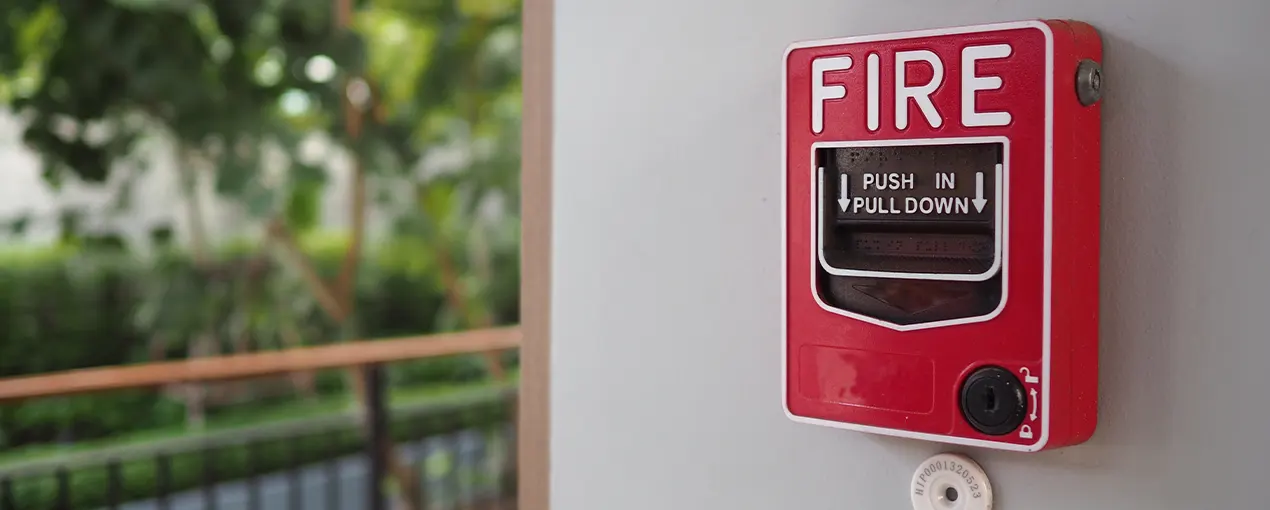
Fire safety systems are not “nice to have.” They are life-safety systems designed to protect people, property, and continuity. Yet many property owners are unclear about the difference between fire fighting systems and fire alarm systems—and why both are essential.
This confusion becomes costly during renovations and fit-outs. Owners may focus on visible aesthetics, only to discover late-stage compliance requirements, route clashes, ceiling rework, or missing maintenance readiness.
This article explains the core difference between fire fighting and fire alarm systems, what they typically include, how they should be planned in villas and buildings, and why maintenance matters. Synergy Solutions supports fire fighting and fire alarm works in Dubai as part of full electromechanical (MEP) services, along with maintenance and AMC options.
Fire Fighting vs Fire Alarm: The Simple Difference
Fire Alarm Systems are designed to detect fire or smoke and alert occupants and building management quickly.
Fire Fighting Systems are designed to control or suppress fire through water-based or other suppression methods (depending on the building’s design and requirements).
In short:
They work together as part of a complete fire safety strategy.
What a Fire Alarm System Typically Includes
While exact requirements vary by building type and authority standards, a typical fire alarm scope includes:
In fit-outs and premium interiors, device placement must be coordinated with ceilings, lighting layouts, and design features to avoid rework and maintain clean aesthetics.
What a Fire Fighting System Typically Includes
Fire fighting systems commonly involve:
The details depend on the building classification and approved design requirements. Because this is a life-safety scope, workmanship and disciplined installation are critical.
Why Both Systems Matter
A fire alarm system provides early warning—helping occupants evacuate and enabling faster response.
A fire fighting system helps control the fire and limit spread—reducing damage and protecting life.
Relying on one without the other can leave gaps in readiness. A complete approach considers detection, evacuation, and suppression as an integrated plan.
Fire Safety During Renovations and Fit-Outs
Fit-outs and renovations often change ceilings, partitions, and room layouts. That affects:
Common mistakes in fit-outs:
Synergy Solutions supports coordinated fire safety works aligned with fit-out execution—helping reduce rework and protect schedules.
Villas vs Buildings: Different Practical Considerations
Villas and Luxury Residential
Owners want fire safety without compromising aesthetics. That requires:
Apartment Buildings and Commercial Properties
The focus expands to:
The Role of Testing, Verification, and Handover
Fire systems must be more than “installed.” They must be verified as functional. A professional handover includes:
Property owners should insist on a handover that supports long-term reliability—not just a visual completion.
Maintenance: The Part Owners Regret Ignoring
Even a properly installed system can become unreliable without maintenance.
Why maintenance matters:
A planned maintenance schedule helps keep systems reliable and reduces last-minute emergencies. Synergy Solutions provides maintenance support and AMC options to help owners maintain confidence in system readiness.
Choosing a Contractor: What Owners Should Look For
When selecting a fire safety contractor or MEP partner, look for:
Synergy Solutions offers integrated delivery as part of full electromechanical services, supporting fit-outs and premium properties with a practical, coordinated approach.
Conclusion
Understanding the difference between fire alarm and fire fighting systems helps property owners make better decisions—especially during renovations and fit-outs. Fire alarm systems detect and alert; fire fighting systems help suppress and control. Both require professional coordination, verified delivery, and ongoing maintenance.
Call to Action: If you are planning a fit-out, renovation, or new project and need fire safety works integrated with your MEP scope, Synergy Solutions can support fire fighting and fire alarm installation with disciplined coordination and maintenance readiness. Contact us to review your project requirements and schedule a consultation.
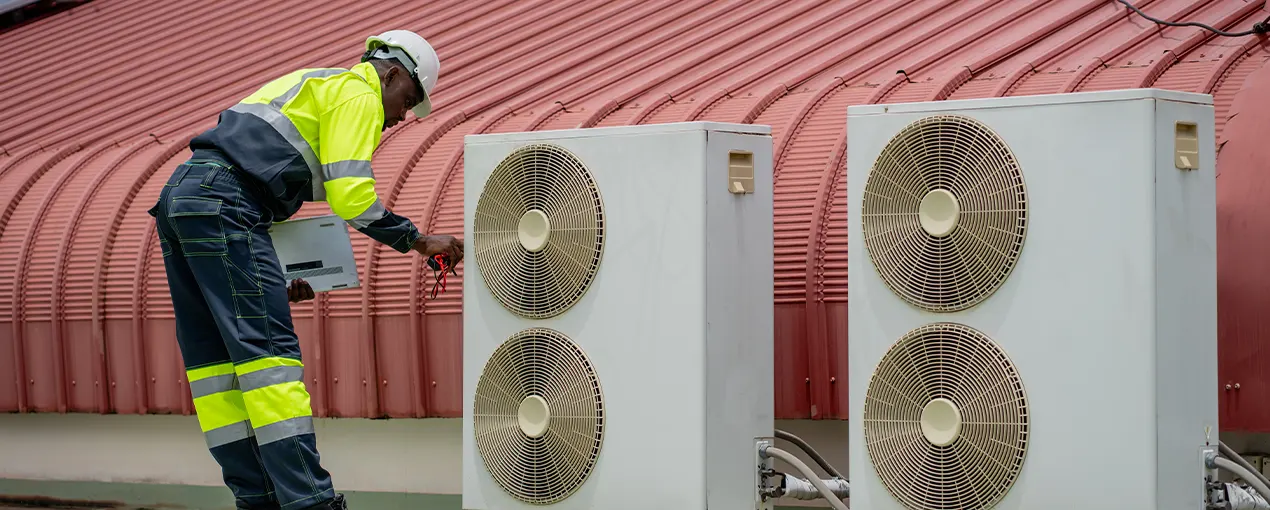

Need expert advice on MEP installation or maintenance? Synergy Solutions offers reliable, project-specific electromechanical support across Dubai. Contact us for a consultation or site assessment.